Brooklyn, Kings County
Get your home back after water damage in Brooklyn.
Water removal, drying and cleanup for row houses, co-ops and cellars across Brooklyn.
Written scope before any work begins. This is a referral service; licensed contractors perform the work.
A clear next step, at every stage.
Tell us what happened
Source, floor and how long it has been wet.
Review the scope
Category, class and measurements in writing.
Plan the cleanup
Equipment count and drying days, scheduled with you.
The same three steps on every loss, from one room to a whole floor.
Our services
Choose the service that matches what happened
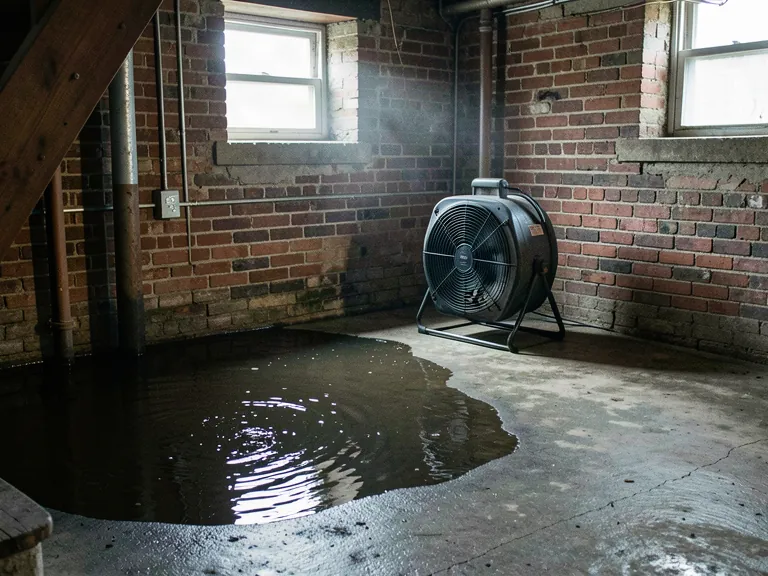
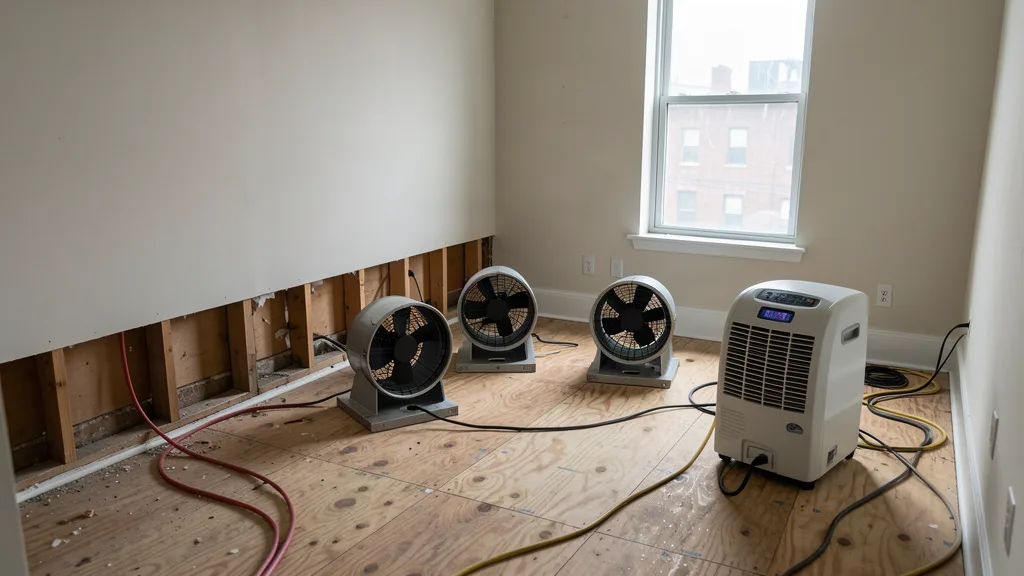
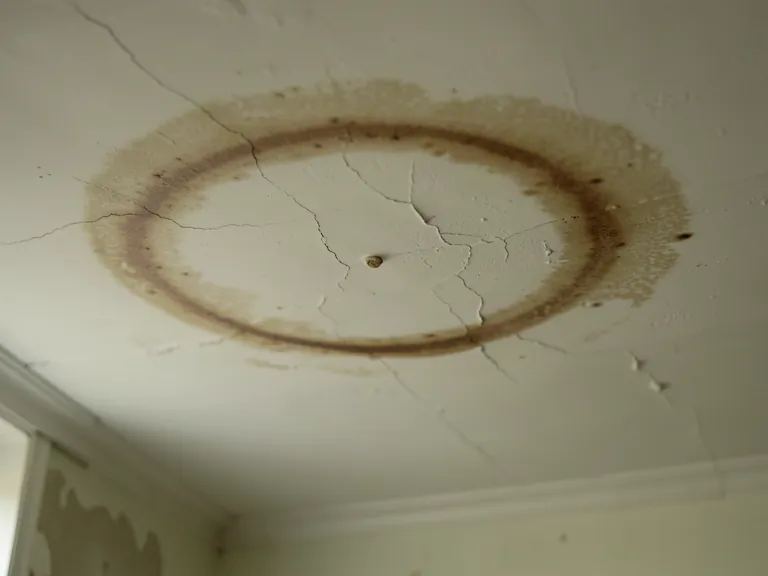
Illustrative imagery. Each label opens the page for that service.
Every water damage service line in Brooklyn
- 01Water Damage RestorationCategory and class in writing→
- 02Emergency Water ExtractionStop the source first→
- 03Basement FloodingSurcharge is not groundwater→
- 04Sewage CleanupRemoval, not drying→
- 05Mold RemediationTwo licenses, separate roles→
- 06Burst Pipe ResponsePlumber fixes the pipe→
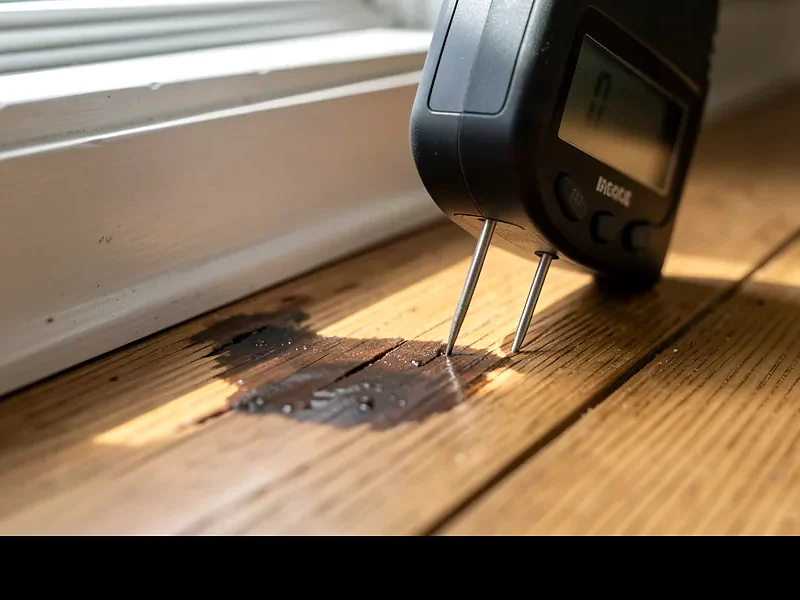
- 07Structural DryingReadings close the job→
- 08Insurance Claim DocumentationA scope an adjuster can read→
Sewage backup, burst pipe or groundwater, which one flooded your building
Sewer surcharge
Most of the borough drains on a combined sewer. In heavy rain the pipe fills and the lowest opening in the building becomes the relief point. That water is Category 3 the moment it enters. It is removed, not dried.
Supply line failure
A braided hose, an angle stop, a radiator valve, a riser joint. Clean water that becomes contaminated by what it crosses. In a row house it travels through the floor assembly and the party wall, so the wet area is larger than the visible stain.
Groundwater and grade
Slab seepage, areaway runoff, a high water table near the bay. Slow, repeated and usually a drainage defect rather than a restoration problem. Drying handles the interior. A plumber and a waterproofing contractor handle the cause.
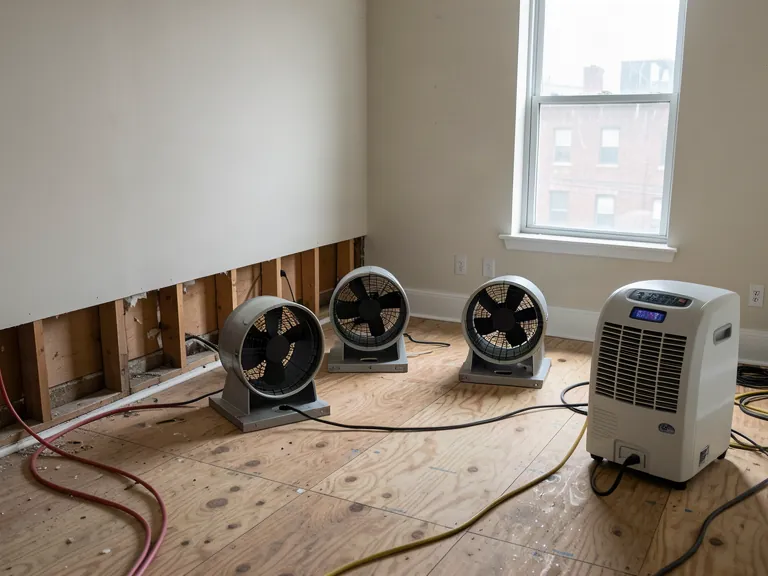
Wet wall after a pipe repair in Brooklyn? Start with drying
Assessment and a written scope before any work begins.
Water damage by Brooklyn neighborhood
What moves the cost of water damage in Brooklyn
A scope is built from measurements, not from a package. Four inputs move it. How much material is wet and what that material is, whether the water arrived sanitary or contaminated, how far it has traveled into the assembly, and how many equipment days the readings actually justify. On those inputs alone, two losses of the same square footage can differ by a wide margin, and a contractor who quotes before measuring is quoting an average that fits neither.
Three things get missed at intake and reappear later. Access, because a fourth floor walk-up and a cellar reached through a hatch add labor hours that never show up in a square footage count. Contents, because furniture, documents and electronics have to move before the wet assembly can be reached. Disposal, because in a pre-1980 building the joint compound and pipe wrap can contain asbestos, and nothing disturbed during demolition goes into a dumpster until it has been tested.
What does not move it: the number of trucks in the driveway, the logo on the machine, or a same-day promise made before anyone has seen the water.
How to verify a Brooklyn water damage contractor before you sign
DCWP home improvement license. New York City requires it for residential repair work over two hundred dollars. Check the number at nyc.gov/dcwp or through 311. Do not accept a state registration from another county as a substitute.
Article 32 mold licenses. New York licenses mold assessment and mold remediation separately. The assessor who clears the job should not be the company that performed the work. Check both at the New York State Department of Labor mold program.
A written contract above the state threshold. State law requires the start and completion dates, a description of work and materials, a three business day cancellation notice, and an escrow notice for deposits.
A scope with measurements. Square footage by room and material, the category and class with a reason, the equipment count, and the expected number of drying days. If a contractor cannot put those on paper before equipment arrives, the scope is a guess.
Paperwork a finished water damage job should leave behind
A moisture map, dated photographs before demolition and at close, a materials removal list, daily psychrometric readings per material, an equipment log, and a scope with measurements. That package belongs to the property owner whether or not a claim is filed.
We do not issue a dry standard certificate on appearance. The certificate follows readings in the dry standard range for that assembly, held on consecutive days.
Water damage in Brooklyn co-ops, condos and commercial buildings
In a rental or a co-op the water rarely stops at one unit. A riser leak on the fourth floor reaches the third, and the repair crosses a wall the shareholder does not own. Documentation has to be per unit, because the building policy, the shareholder policy and the managing agent's emergency line are three separate conversations that all begin with the same wet ceiling.
Commercial losses add a revenue clock. A restaurant with water in the dining room, a laundry room serving a building, or an office with a server closet each face a reopening decision that is not only about dryness. The affected space gets scoped, what can keep running is isolated, and what cannot is documented, so the business makes that call on evidence rather than on hope.